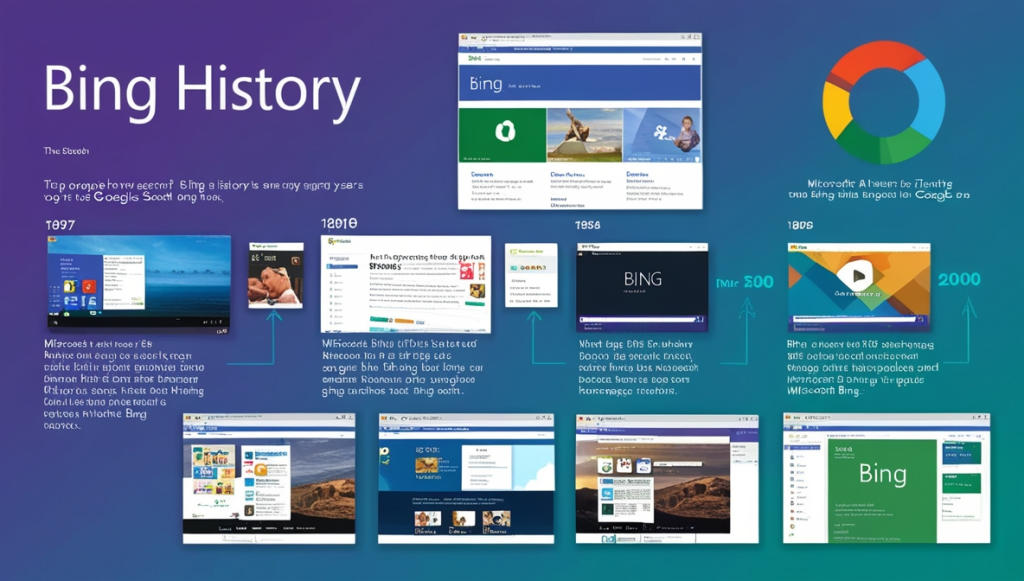
Bing History is a story of innovation and growth in the world of search engines. Many people know Google as the top search engine, but Bing has its own unique place in the internet world. Bing started as Microsoft’s answer to the growing need for better search tools. Over the years, it has introduced features like image search, video previews, and daily homepage images that capture users’ attention. Understanding Bing history helps us see how technology evolves and how companies compete to make online searches easier. From its early versions to the modern Bing we know today, every step shows Microsoft’s focus on improving search results, user experience, and integration with other products like Windows and Office. If you use the internet regularly, learning about Bing history gives you a new perspective on the tools we often take for granted.
Bing history also reflects the challenges and successes Microsoft faced in the search engine market. Initially, Bing struggled to attract users because Google was already dominant. However, Microsoft invested heavily in technology and marketing, which gradually increased Bing’s popularity. Over time, Bing became known for its visually appealing homepage, strong search algorithms, and integration with AI features, including chat and intelligent search suggestions. Understanding Bing history is not just about dates and launches; it’s about seeing how innovation, strategy, and user feedback shape digital tools. Today, Bing is more than a search engine; it’s part of a larger ecosystem that connects people, information, and technology seamlessly. By exploring Bing history, we can appreciate the thought and effort behind a tool many use every day without noticing its evolution.
Bing History: The Early Days of Microsoft Search
Bing history begins with Microsoft’s early attempts to create a search engine. Before Bing, Microsoft had a service called MSN Search, which launched in the late 1990s. MSN Search was helpful but did not get as much attention as Google or Yahoo. Users wanted faster and smarter search results, so Microsoft needed something new. In 2009, Microsoft officially launched Bing, aiming to provide a “decision engine” rather than just a search engine. This means Bing wanted to help users make decisions by showing useful information quickly. The early Bing included features like search suggestions, related searches, and previews for websites, which made it easier for people to find what they needed.
Bing history in its early days also involved learning from competitors. Microsoft studied Google carefully to see what users liked. Bing’s approach focused on being visually attractive and providing clear results. Unlike Google’s simple white page, Bing included images and design elements that made searching more fun. The early development of Bing showed that Microsoft was willing to try new ideas and improve constantly. By learning from the past and observing the market, Microsoft made Bing a search engine that could stand out.
How Bing Started: Origins and Development
Bing history shows that development was slow and careful at first. Microsoft invested in research and testing to create a search engine that could compete. The goal was not only to match Google but also to offer something different. Bing included unique features such as “Bing Rewards,” where users earned points for using the search engine, and “Bing Maps,” which gave advanced mapping options. This development phase was crucial because it shaped how people saw Bing as more than just a search tool.
Over time, Bing history reveals updates in technology and design. Microsoft worked on improving algorithms, so results were more relevant to users. They also added features like video previews, image searches, and integration with Microsoft products like Office and Windows. These steps show that Bing’s growth was strategic. Microsoft wanted Bing to be useful for students, professionals, and casual users alike. By investing in technology and listening to user feedback, Bing history became a story of constant improvement.
Major Milestones in Bing History You Should Know

Bing history is full of important milestones that show how it grew over time. One key moment was the launch of the daily homepage images, which became very popular. Another milestone was integrating Bing with Microsoft Edge, Windows 10, and later Windows 11. This integration made Bing more visible to users worldwide. Microsoft also partnered with other platforms to expand Bing’s reach.
Bing history also includes the addition of AI-powered search tools. Features like chat-based search and intelligent suggestions help users get answers faster. These milestones show that Bing is more than a simple search engine. It is a platform that adapts to user needs and improves every year.
Bing History and Its Competition with Google
Bing history is closely linked to its competition with Google. Google dominates the search market, but Bing tried to find its own niche. Microsoft focused on areas where Bing could excel, like image search, visual layout, and AI integration. Bing also works with Yahoo and other partners to expand its audience.
The competition shaped Bing history because it pushed Microsoft to innovate. Instead of copying Google, Bing developed unique features that attracted users looking for different experiences. This strategy helped Bing survive and grow in a tough market.
Innovations That Shaped Bing History
Bing history is not just about dates and launches; it’s about innovation. Microsoft added features like video previews, instant answers, and voice search. AI integration in recent years is another big innovation. Bing now provides smarter results using artificial intelligence, helping users find answers quickly.
Innovation in Bing history also focuses on design. Bing’s homepage images change daily, making it attractive to users. Features like “Bing Visual Search” let users search using pictures instead of words. These innovations show that Bing history is about improving user experience in every way.
Bing History in Modern Internet Use

Bing history shows that it has become an important tool in modern internet use. Millions of people use Bing for searching news, videos, maps, and images. Businesses use Bing Ads to reach customers. Students and researchers use Bing to find information efficiently.
The history of Bing also shows how Microsoft integrates it with other technologies. Bing is part of the Microsoft ecosystem, including Windows, Office, and AI-powered tools. This integration makes Bing more useful than a simple search engine. It is now a platform for work, learning, and entertainment.
Challenges and Successes in Bing History
Bing history is full of challenges. Competing with Google was not easy. Early versions of Bing had fewer users and less recognition. Microsoft had to invest heavily in marketing and technology to improve its position.
Successes in Bing history came from innovation and integration. Features like AI search, rewards programs, and partnerships helped Bing grow. Today, Bing has millions of loyal users and continues to expand globally. Its history teaches a lesson about perseverance and adapting to market needs.
Future of Bing: Where Its History Leads Next
Bing history is not over. Microsoft continues to improve Bing using AI, smart search features, and better integration with devices and apps. The future may include even more advanced search tools, virtual assistants, and learning features.
By studying Bing history, we can understand how technology evolves. Microsoft’s approach shows that constant improvement, user focus, and innovation are key to staying relevant in a competitive market.
Conclusion
Bing history shows the journey of a search engine that started as Microsoft’s attempt to compete with Google. From early development and challenges to innovations in AI and user experience, Bing has grown into an important tool for millions of people. Understanding Bing history gives us insight into how technology evolves and how companies innovate to meet user needs. Bing is more than just a search engine; it is a platform that connects people with information in smart and creative ways.
FAQs
Q1: When was Bing launched?
Bing was officially launched by Microsoft in June 2009.
Q2: What was Microsoft’s search engine before Bing?
Before Bing, Microsoft had MSN Search and later Windows Live Search.
Q3: What are some unique features in Bing history?
Bing introduced daily homepage images, video previews, Bing Maps, AI-powered search, and rewards programs.
Q4: How does Bing compete with Google?
Bing focuses on visual search, AI integration, design, and partnerships with other platforms.
Q5: Why is understanding Bing history important?
It shows how innovation, strategy, and user feedback shaped a major search engine and helps users appreciate the technology they use every day.